This woman is amazing. This YouTube film is a must-see/must understand for anyone who wants to be “let in to the wedding feast.”
https://youtu.be/dU81hfwml6Q?si=dr0JJfBCBlJ8fg8L
Here are my notes—but I HIGHLY recommend getting this information from the video itself, as I wasn’t able to capture the beauty and majesty of this thousands-of-years-old symbolism.
Ancient marriage ceremony
Who selected the bride for Adam? God the father. But she also gets to veto the whole thing if she wants to. The Lord gave Him a handpicked wife.
- Selecting the bride
- Betrothal phase (legally binding)
- then separate for a year and not see each other. Sign katuba, all about what the groom would do for the bride. He will provide food and clothing. He will redeem you if you’re ever taken into slavery. It’s a safety net. She belongs to Him in that she was His stewardship. One copy that’s deep blue for the couple, one for the brides family, and one for the magistrate. New Logo! Shows Christ under a Jerusalem window that’s blue like a katuba because He’s the bridegroom and it’s a katuba!!!
- Dowry—endowment. It’s a gift that is an investment that keeps on giving. The dowry is a failsafe for the bride if the man screws it up. “I am the bride’s Father so she is worth my protection.” The endowment is the gift for the bride that keeps on giving.
Endowment includes an alabaster box with ointment the bride would anoint her husband upon his death. Luke 7–
Then right after that you are introduced to Mary Magdalene.
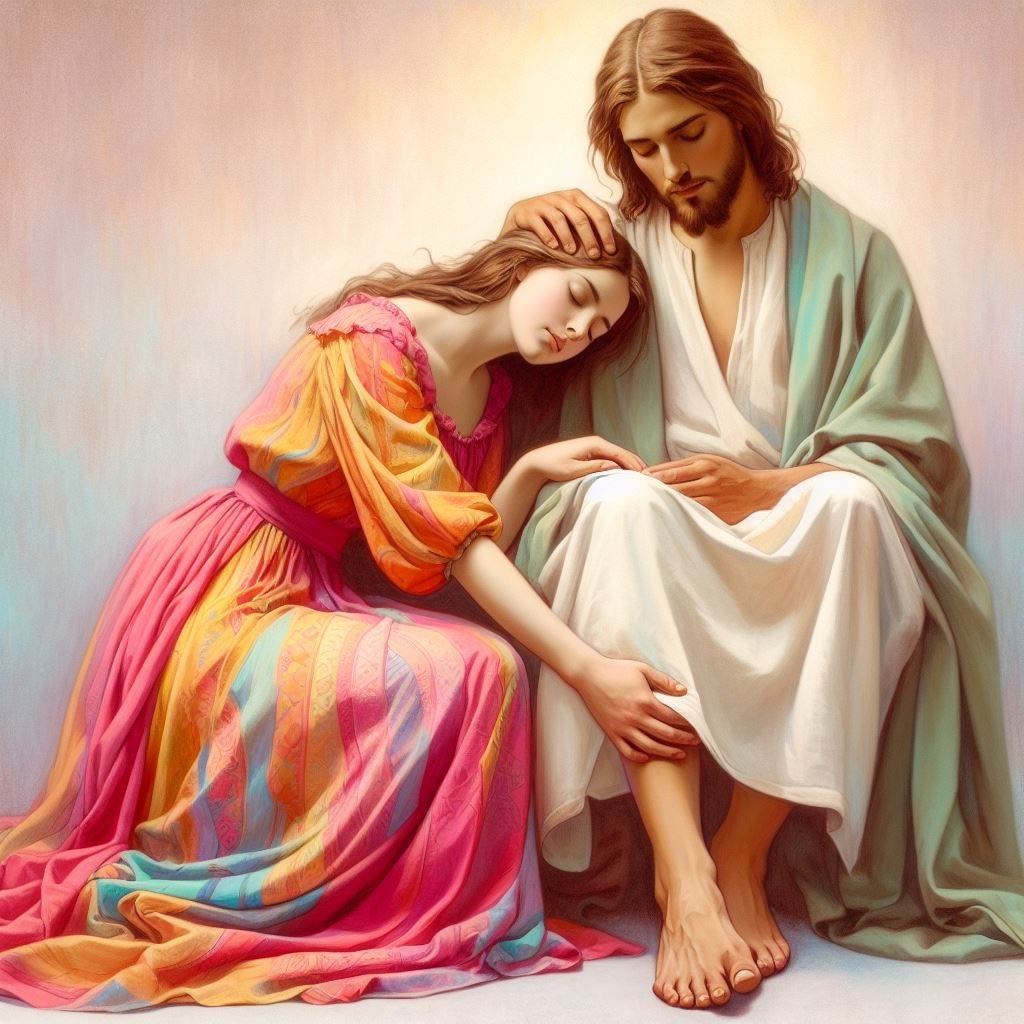
This is someone who would be redeemed from her sins—the redemption price is setting the soul free from an eternal life of sin.
The Sinner with Ointment
Upon learning that Christ dined with a Pharisee, “a woman in the city, which was a sinner, … brought an alabaster box of ointment” (Luke 7:37) and bravely entered the home. She stood behind the Savior weeping, then washed His feet with her tears, and “did wipe them with the hairs of her head, and kissed … and anointed them with the ointment” (Luke 7:38).
To the Pharisee, the very fact that the Savior allowed the woman to touch Him discredited His divine calling. “This man,” the Pharisee said to himself, “if he were a prophet, would have known who and what manner of woman this is” (Luke 7:39). However, in a subtle act of recognition and reprimand, the Savior highlighted the significance of the woman’s actions by comparing them to the host’s:
“Thou gavest me no water for my feet: but she hath washed my feet with tears. …
“Thou gavest me no kiss: but [she] … hath not ceased to kiss my feet.
“My head with oil thou didst not anoint: but [she] hath anointed my feet with ointment” (Luke 7:44–46).
Although her sins were many, Christ forgave her and told her to go in peace, “for she loved much” (Luke 7:47). From her example, we learn that no matter how small or large our sins may be, we are never beyond the reach of the Savior. As we come unto Him and show Him our love, He will grant us the forgiveness we seek.
When you pour the oil on someone’s head, your face shines! The oil in the alabaster box given to the bride is to, eventually, pour over the husband during his burial.
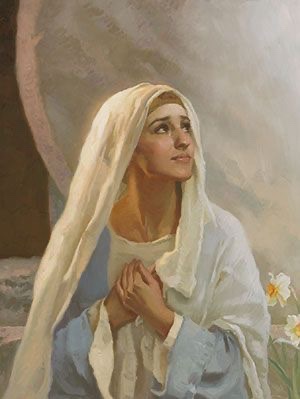
How did this woman know Jesus was going to die? Perhaps she wasn’t just some random woman off the street.
- The Father and the bridegroom stand at her door and knock. She can open the door and accept that she will be married to Christ. Then she is bound to Him. Or she can refuse.
The three part temple ceremony is what we are seeing. We are preparing for the marriage to happen. The garden of Eden was a temple, they were married, then to get back into the Earth in its paradisiacal glory is up to Christ.

The word paradise also sometimes refers to the celestial kingdom. In the tenth article of faith, the word paradisiacal describes the Earth’s glory in the Millennium.
Everything is done by the groom. All He asks of her is to “love me and keep my commandments”. “I betrothed thee forever.”
The bride would open the door, and as a sign of agreement they would share some bread and wine.
The groom would then leave and go back to his Father’s house and build a home for His bride for one year. Or, He’s going to prepare a place—mansions—for us.
The first coming is the betrothal. The second coming is the marriage.

Then an invitation would be sent to all of the wedding guests to change your robe from your left shoulder to the right shoulder….
The bride would have some idea when it’s going to happen—but not the day or the hour.
The groom doesn’t even know. “No one knows the day nor the hour…” The only one who knows is the Father. He sees when His son is ready and will have everything ready. Then, He will say, “Okay, go get your bride.”
Reminder invitation/Second invitation. “Go out and get all that were bidden.” All they who were bidden have about 30 minutes to get to the wedding.
Back to the Garden of Eden: Adam prepares the Garden of Eden. Then he falls asleep. Then, at the Father’s voice/bidding, He awakes to his Bride.
In the meantime the bride would be preparing the wedding dress. She would also take this long strip of fabric or sash and embroider on both sides symbols that are beautiful and personal to the families, and to the couple. (After the marriage “bears fruit” they would anoint the baby with oil and wrap the baby in swaddling clothes—in the sash she had made.)

When the oil lamps are lit, at night, everyone starts the procession towards the bride’s Father’s house. She and her attendants were supposed to be ready and ever watchful for when the bridegroom comes. Because we know not the hour when He comes. But we do know the season. The bride and her attendants are watching and listening for the groom’s procession with trumpets. The rosh hashana is usually in the fall or September. (So, perhaps the second coming will be in September of some year very soon?)
(Moroni came on September 21st—with the same symbol of blowing a trumpet—he came to Joseph Smith—who translated the Book of Mormon—which prepares the bride for the bridegroom.)
Isaiah 26:19 then talks about how the groom comes out to get the bride, she’s watching in the dark of night. So, watch and listen! The groom would wear white and a crown of gold, anointed with frankincense and myrrh. There would be a joyful procession—and it gives her 30 minutes to prepare—then she gets her procession and her oil lamps to meet up with the groom’s!
Then they knock on the door. The ancient times you’d bolt the door. The only way to know each other is your voice. The barrier you have to ask questions through the veil. Does he know you by your voice? Have you prayed vocally to Him?

The five wise virgins and the bride go into the wedding feast.
5 unwise didn’t have on the wedding garment, see Elder Bednar’s talk about the parable of the wedding garment. The king is hurt by the rejection of the foolish people not wearing a wedding garment. They had been invited by a friend, and they knew what to wear. Yet they didn’t wear the wedding garment, for shame! So, they are thrown out to outer darkness. (If you are kicked out of the king’s palace you are stuck outside in the dark. The only house that’s filled with light and life and safety is the Father’s or King’s house.)
Oil was from pressed olives from the tree. Garden of Gethsemane symbolism here.
Think about where the bride got the oil to anoint the bridegroom—from that Gethsemane tree.
Then, after the marriage, they launch into a seven day wedding feast!!! A huge party and celebration!!
There were four cups that were meant to be drunk. There was a bitter cup that only the bridegroom drank, so she wouldn’t have to. <crying happy yet also devastated. This is why we must always remember HIM and his sacrifice!>
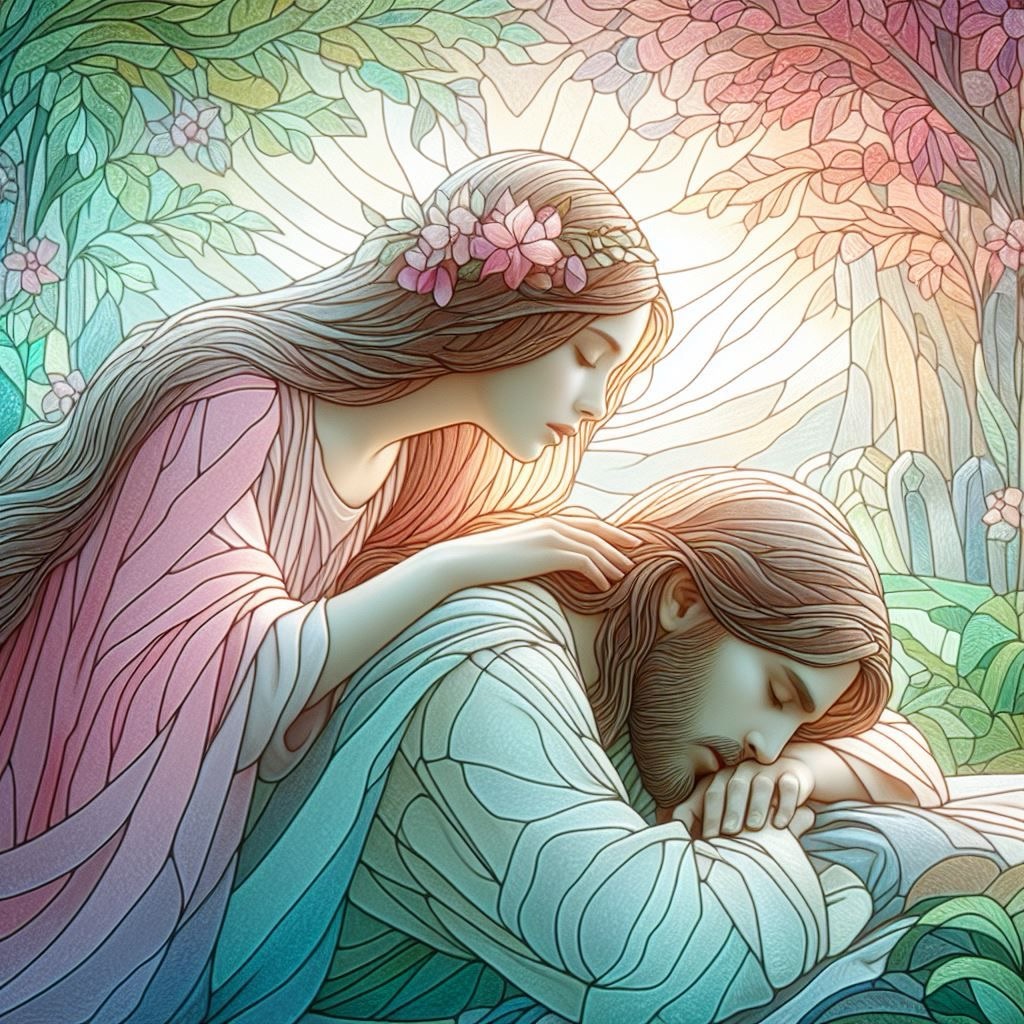
Then they would consummate the marriage. Then the wife would have to come out with blood on a cloth. If she was not a virgin the penalty was death by stoning.
Christ will forgive us/His wife. We are all guilty! None of us is innocent. We need a Redeemer. We’ve all screwed up…but we will be forgiven. Because HIS blood will be on the cloth. He bears the burden. He’s the bridegroom who will come out from the consummation of the marriage wearing a red robe covered with our blood. He will lift up His saints, and they will be covered in white robes, and He will bear the burden of the red robe.
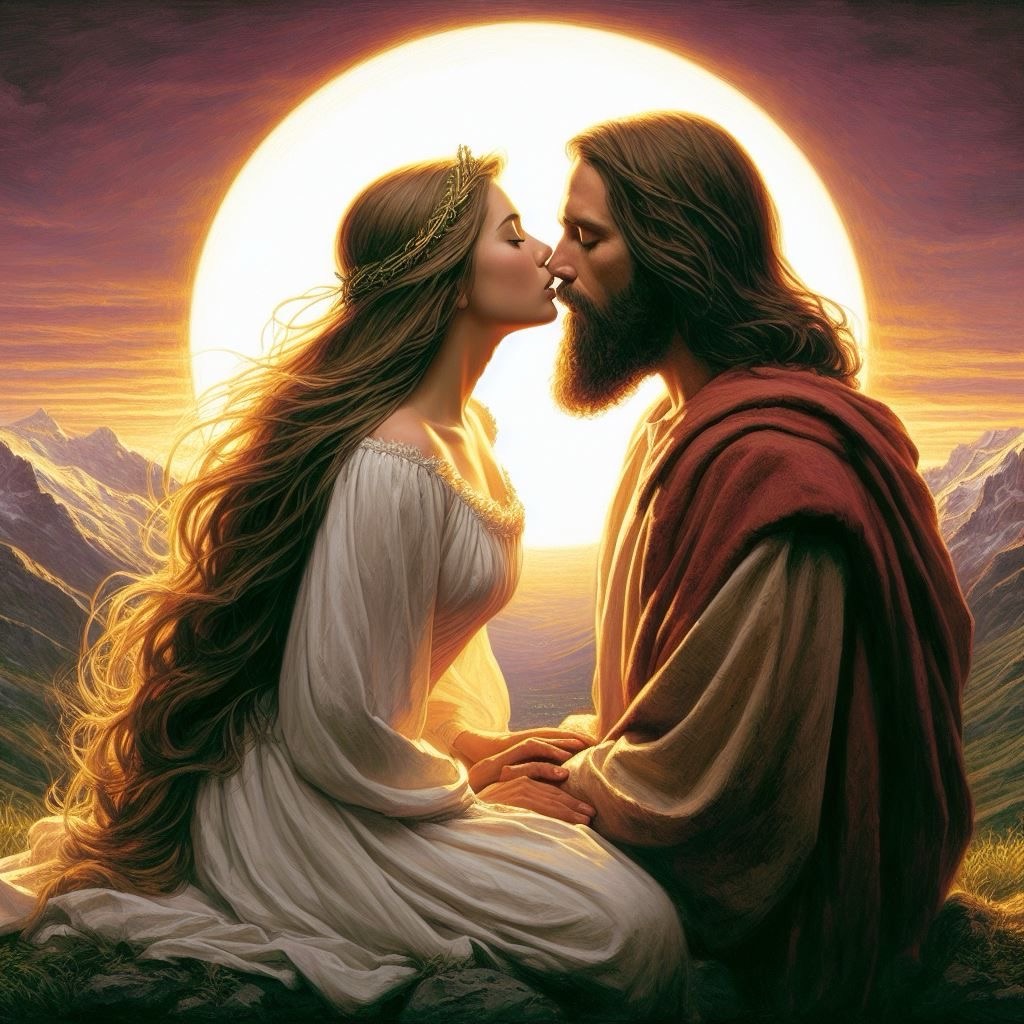
Then there would be ten witnesses of women who would also witness that the marriage was consummated.
Mark ch. 2:19-20 “Why don’t your disciples fast?” “I’m the bridegroom, I’m here, so they don’t need to fast. But when I’m taken away they will fast.” Fasting is a sign that we want Him to return. This is our wailing wall. Lord, we want you to come back!—that physical hunger is what we should be feeling in the absence of the bridegroom spiritually.
…7 years were the dowry/bride price he paid. He gets Leah. Sinai also follows the three part wedding symbolism.
…. Blah blah I don’t wanna type anymore. Just listen! 🙀🚢 And I’m on a cruise, anyway. Lol.
 Healing with Christ